
Hi, I'mCOURTNEY.I'm a trauma therapist.

I help clients build safety and connection within themselves, in their relationships, and with the world around them.
Perhaps in many ways your life works. But something still doesn’t feel totally safe. Or at ease. And you’re wanting to feel more connected.
The world may see you as high-functioning, but underneath there are patterns you can’t think your way out of - walls in relationships, a body that doesn’t fully relax or feels disconnected from your mind, a complicated relationship with intimacy.
These patterns are protective. They made sense at one point. They don’t have to keep working this hard. Using EMDR, IFS, and nervous system work, we help you feel more connected, safer in your body, and more flexible in how you respond.
WHO I WORK WITH
High-functioning adults whose stress, pain and protective patterns keep them from feeling safe and connected.
Some painful experiences can be overwhelming. In response, your system has learned how to brilliantly manage, perform, and hold it together. The patterns that helped you survive may now be happening automatically. And you want more choice and flexibility in how you move through your life. Here's how that often shows up:
Connection
You know closeness matters. But relationships can feel complicated. Maybe you’ve relied on yourself for most of your life, and vulnerability still feels risky. Maybe it’s hard to know whether what you want or need is okay to ask for. Maybe you worry you’re too needy. Or you’re starting to be curious about patterns in your relationships.
Intimacy
When your body has spent years focused on protection, it can be hard to access connection or pleasure. Sometimes desire feels muted. Sometimes vulnerability can feel risky. Sometimes your relationship with control can feel complicated. Part of healing from trauma is creating the conditions where you can experience intimacy naturally, without pressure or forcing anything that doesn’t feel right.
Safety
When you’ve lived through difficult or overwhelming experiences, your nervous system can stay on alert long after the danger has passed. You might notice tension that doesn’t fully release, difficulty relaxing, or a sense that you’re always bracing for something. Sometimes your mind and body feel on different pages. Sometimes this shows up as shame or shut down.
WHAT IF TRAUMA DOESN'TFEEL LIKE THE RIGHT WORD?
Not everyone who benefits from trauma-focused therapy labels their experiences that way. Often people just notice patterns in their bodies, relationships, or sense of safety that feel difficult to shift. Our work focuses on your lived experience and felt sense, not on fitting you into a diagnostic box.
MY APPROACH
Trauma requires specialized treatment.
Trauma doesn’t only live in thoughts or memories. It shows up in the nervous system, in the body, and in the patterns that shape how you experience connection, safety, and desire. Because of that, insight alone often isn’t enough to create lasting change.
This work focuses on helping the brain and nervous system shift patterns that formed during difficult experiences.
EMDR Therapy
Processing painful experiences
EMDR helps the brain process traumatic experiences so they no longer carry the same emotional and physiological charge. It’s one of the most well-researched and effective treatments for trauma and PTSD. Many people notice meaningful shifts more quickly than they expected. It also allows the work to happen without needing to describe every detail of what you’ve been through.
IFS-Informed EMDR
Working with parts of self
Many people notice different parts of themselves that developed to manage pain, vulnerability, or threat. IFS-informed EMDR helps us work with these protective patterns with curiosity rather than force, so change can happen without overwhelming the system.
Nervous System Work
Supporting regulation and safety
Trauma changes how the nervous system responds to safety, connection, and stress. This work helps the body begin to recognize and orient to safety again. Over time, it becomes easier to feel more regulated, more present, and more connected to yourself and others.
Sex Therapy
Sexuality and intimacy
Trauma can shape how people experience sexuality, intimacy and their bodies. This work brings trauma treatment and sex therapy together so these experiences can be approached with more clarity, care, and choice.
ABOUT THIS WORK

ABOUT THIS WORK
Trauma shapes the ways people learn to move through the world. Protective patterns develop-ways of managing, performing, shutting down, or staying on guard in order to get through difficult experiences. These patterns often make sense in the context they developed. But later in life, they can start to interfere with connection, safety, and intimacy.
My work is grounded in trauma-focused approaches including EMDR, IFS-informed EMDR, and polyvagal-informed nervous system work. I work primarily with high-functioning adults whose earlier experiences continue to shape how they relate to themselves, their bodies, and others.
Many of the people I work with have done therapy before and are looking for something deeper. This work is thoughtful and collaborative. We move at a pace that feels manageable, with space for curiosity and sometimes even humor.
The goal isn’t just to manage symptoms. It’s to feel more connected, safer in your body, and more flexible in how you respond to yourself, others, and your environment.
READY TO TALK?
Let's start a brief conversation.
I offer a free 15-minute consultation when you can tell me more about what's bringing you in and ask me any questions you may have.
BOOK A FREE CONSULTATIONLicensed in43 STATES
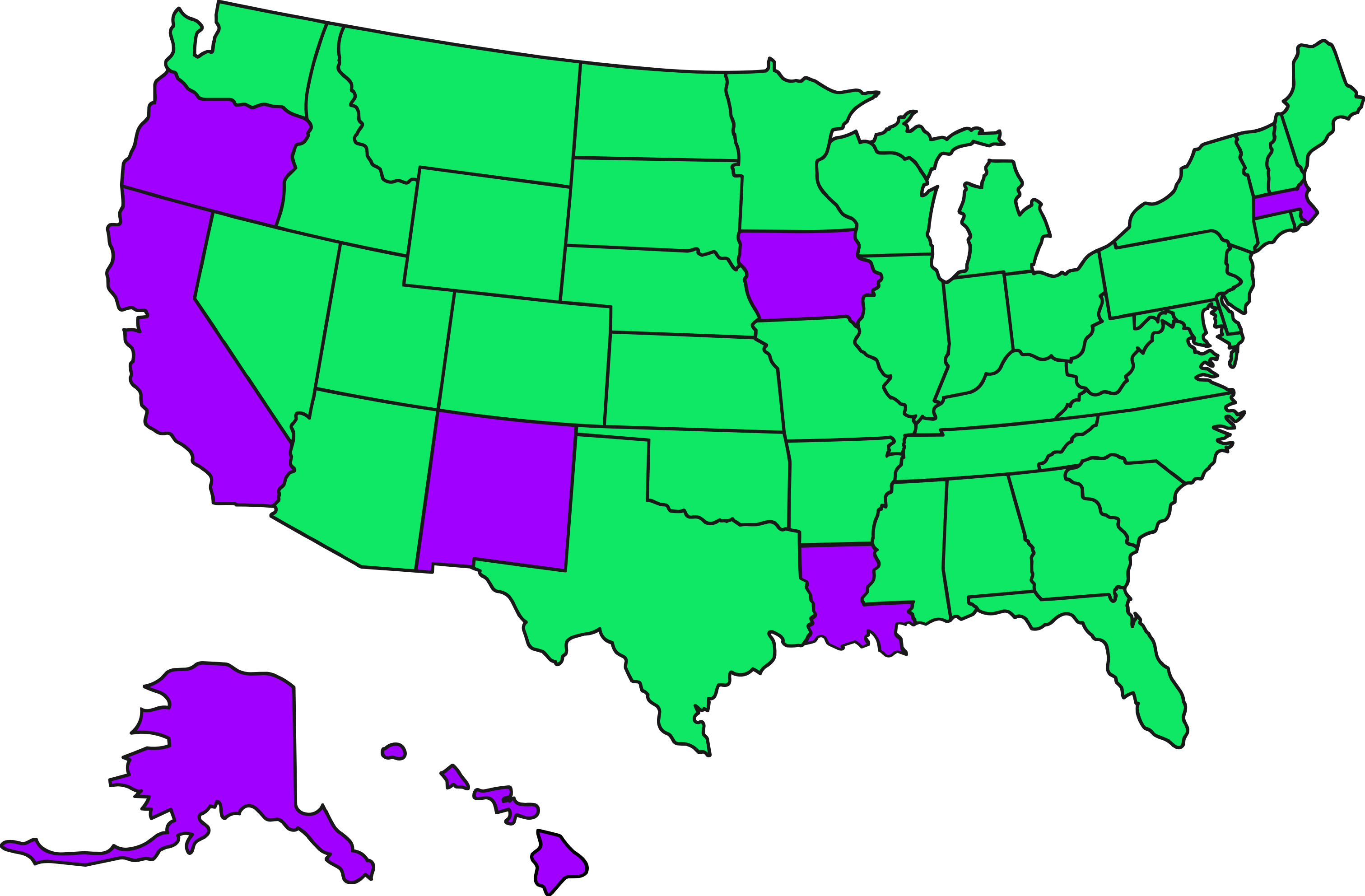
States where I'm licensed and not licensed to practice
* Licensed in Illinois and New York, and in other states through Psypact
From the Blog
View All →PTSD vs Complex PTSD: Key Differences, Symptoms, and Treatment
Learn the key differences between PTSD and complex PTSD (C-PTSD), common symptoms, and how EMDR, IFS, and nervous system–informed therapy can support healing.
IFS-Informed EMDR Intensives: A Different Way to Do Trauma Therapy
IFS-Informed EMDR Intensives give your nervous system more time to process trauma without the stop-and-start of weekly sessions. Here's how they work and what they cost.
What Is EMDR Therapy?
A closer look at Eye Movement Desensitization and Reprocessing: how it works, what to expect, and who it can help.